
Sophie Gygax
Can you autoclave your pipette? Here is what you need to know
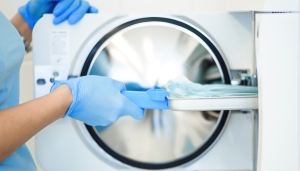
Autoclaving is a type of sterilisation, routinely performed in the laboratory aiming to inactivate any biological contamination. The process uses high-pressure cooking and is usually operated at 5-15 psi and 112°C-127°C for 10-50 min. Chances are high that at least once per day you autoclave your growth media, reagent solutions, various flasks and pipette tips. But did you know that it is also a great way to decontaminate your pipette (and other dosing instruments, for that matter), especially if you work with infectious agents?
A busy year ahead: where to meet Socorex in 2026?

2026 promises to be an exciting and dynamic year, with plenty of opportunities to meet YOU – the enthusiasts of Socorex products from around the world! We will be participating in numerous events across Europe and beyond, including trade shows and scientific meetings. Here is a heads-up on where to find us.
Lessons from avian flu and why « One Health » is the future
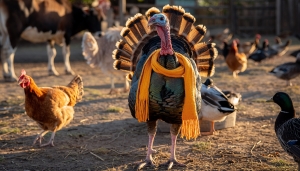
Regulation (EU) 2016/429 of the European Parliament on transmissible animal diseases lays down rules for their prevention, it includes high pathogenicity avian influenza (HPAI). Poultry is a group of animal species of high economic significance, and HPAI has a relevant impact on public health and food safety. Recent outbreaks have demonstrated that all available tools including vaccination must be reconsidered, to effectively contain avian influenza and protect the economic sustainability of the poultry sector. The 2021/2022 crisis has also proven that the key to preventing the next pandemic is a "One Health" approach as animal’s health is everybody’s health.
Socorex celebrates 20 years of its Accredited Calibration Service

The year 2025 marks a significant milestone for the Socorex Service Centre: 20 years of accredited calibration services. What began over 45 years ago as a side initiative to maintain the performance level of the instruments, has evolved into a key pillar of Socorex’s operations and a go-to provider of calibration services for laboratories across Switzerland, including the ISO 17025 accredited.
Newsletter
{rsform 9}
Ceci est un test d'intégration
Profiller electro 447: FAQ for end-users and distributors
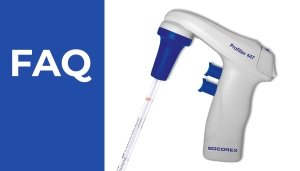
Starting from June 2025, our most popular pipette controller will be equipped with a new Li-ion battery. Find answers to the most frequently asked questions about this update in the article.
Devices I did not know existed!

Have you ever found yourself lost in a repetitive lab task, wishing for a tool that could save you time and effort? I’ve been there too. In this short article, I will talk about two game-changing devices I wish I had known about during my time in the research laboratory.
Bluetongue Disease (BT): What you need to know

In September 2023, a new variant of Bluetongue Disease, BTV-3, emerged in the Netherlands and has since spread across Northern Europe, posing a serious threat to livestock. Additionally, outbreaks of BTV-8 are becoming more prevalent, significantly affecting sheep and cattle populations. While there is no risk to public health—the disease is not transmitted through contact with animals, wool, or milk—it's essential for livestock owners to stay informed.
5 Things I wish I knew when I was a wet lab scientist

After 11 years of happily pipetting my life away, I now work as a Product Manager for liquid handling devices, including micropipettes. I thought I knew a lot about these instruments, but boy was I wrong! Here, I am sharing some of my thoughts on why I wish I had spent more time understanding the capabilities of my workhorse aka pipette.
What is a good injection needle and why?

In the agricultural and veterinary fields, the quality and design of injection needles play a pivotal role in ensuring effective and ethical handling of animals. A good injection needle is one that not only serves its intended function with precision but also minimizes discomfort for the animal and reduces the risk of injury to both the animal and the handler.

